
Work / Case study
Disaster Recovery & Off-Site Backup Modernisation
An off-site backup redesign paired automated overnight tasks with a remote recovery workflow and a practical disaster-recovery drill.
The business problem
A financial-services organisation relied on tape backup and an external hot-site arrangement with a high recurring cost. It needed a more economical approach that still addressed its recovery and business-continuity requirements.
What was built
The replacement used owned off-site network-attached storage, scheduled overnight backups and a remote recovery workflow. A practical disaster-recovery drill tested whether staff could continue working away from the normal office.
Redesign the cost model around the recovery requirement
The organisation operated in a regulated financial-services context. Its previous arrangement combined tape backups with an externally provided hot-site service. The redesign sought to reduce the recurring cost while addressing the business need to recover and continue operating.
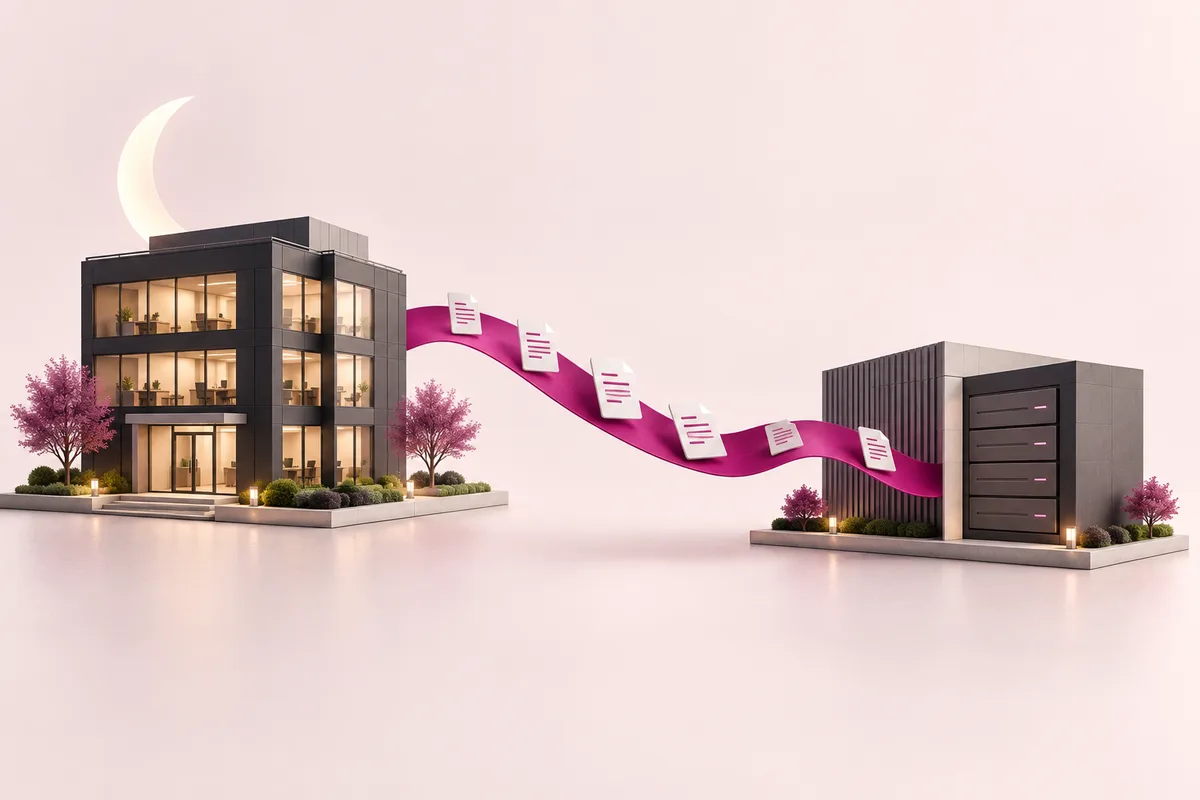
An off-site network-attached storage device formed part of the replacement approach. Backup tasks ran overnight, when the office was not in active use, and a remote recovery workflow was established around the off-site infrastructure.
Test the ability to work, not only the presence of a backup
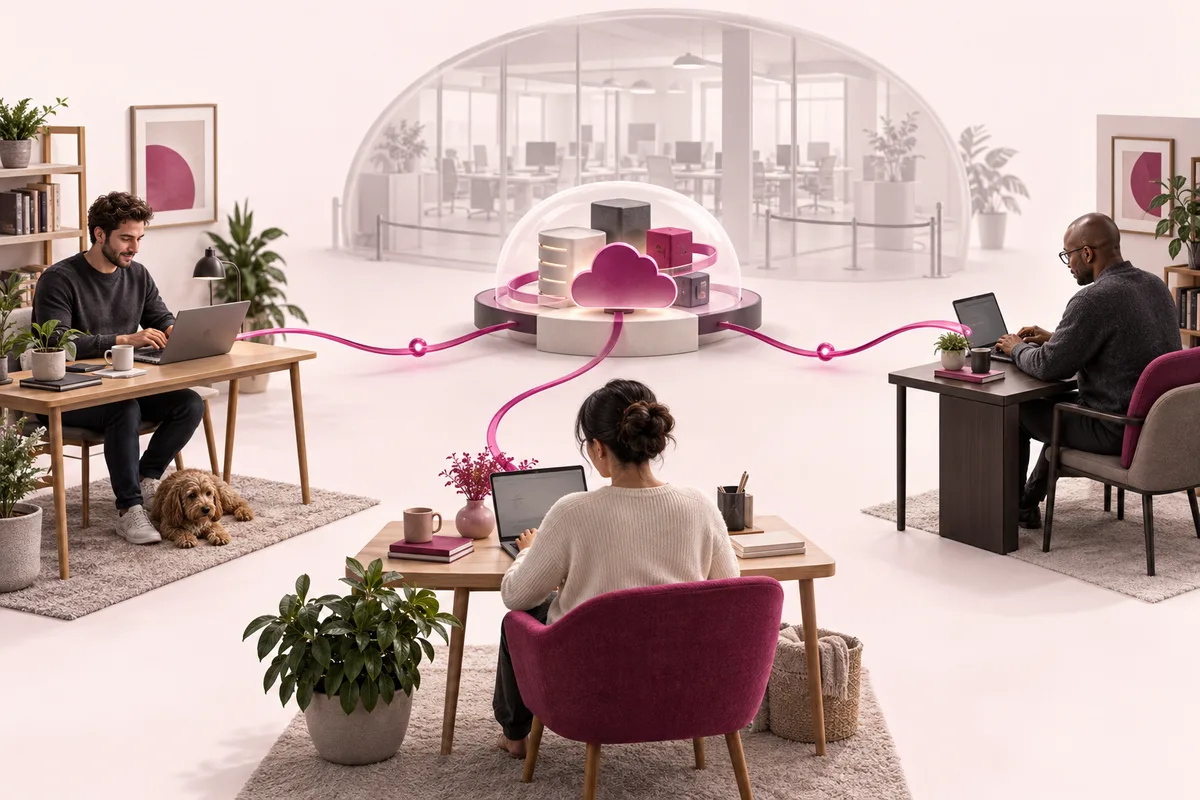
A real disaster-recovery drill was conducted. Staff remained away from the normal office, connected remotely to the recovery environment and continued working through the exercise.
That exercise provided evidence of the operating workflow: people could reach the recovery environment and carry out work when the office was assumed unavailable.
Operational and commercial outcome
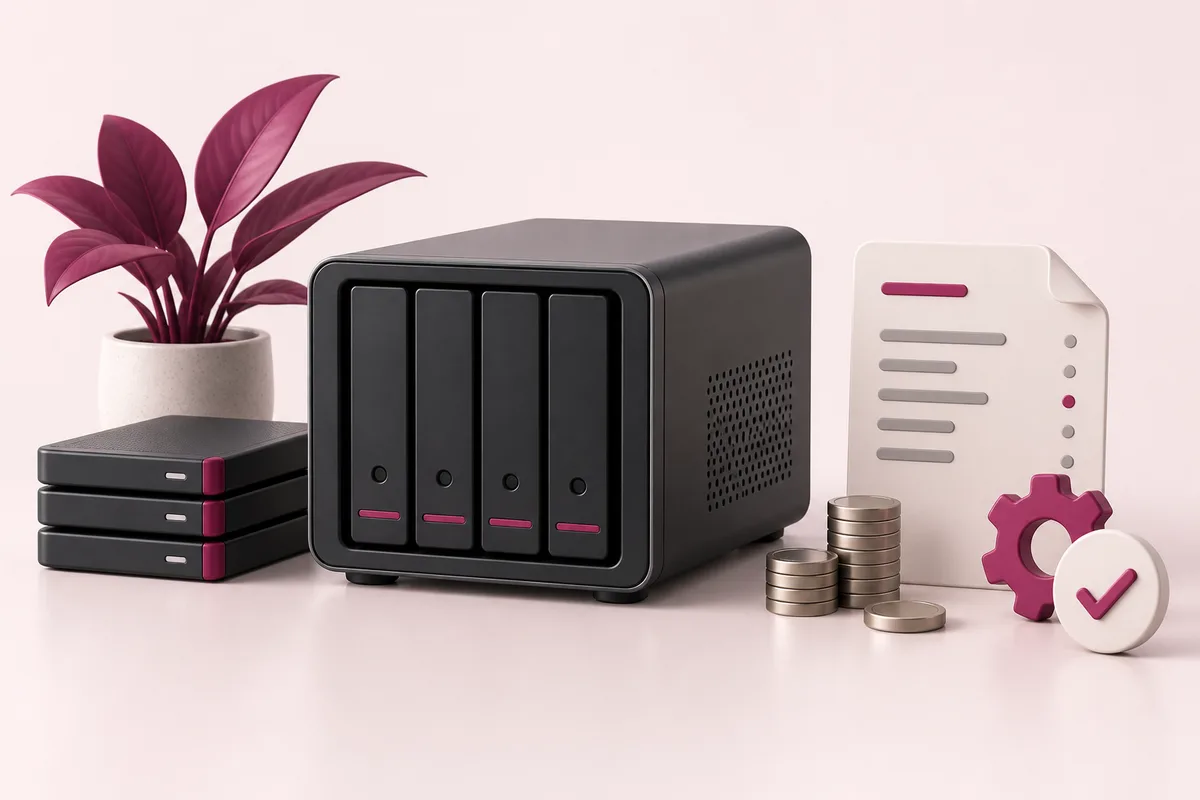
The redesign replaced the earlier recurring-cost arrangement with a lower-cost architecture based on owned off-site equipment and automated backups.
The engineering contribution included understanding the continuity requirement, redesigning the architecture, automating the routine tasks and validating the result through a practical exercise.
Capabilities
- Off-site backup architecture using owned equipment.
- Automated overnight backup tasks.
- A remote recovery environment and operating workflow.
- A practical disaster-recovery drill involving staff working remotely.
Outcomes
- Implemented automated off-site backups.
- Established a remote recovery workflow.
- Demonstrated that staff could continue working remotely during the drill.
- Replaced the previous recurring-cost arrangement with a lower-cost architecture centred on owned equipment.
Engineering considerations
- Evaluate the business-continuity requirement alongside the recurring cost model.
- Schedule backup activity outside active office use.
- Validate the recovery workflow through an exercise involving actual staff tasks.
- Keep sensitive topology, equipment details and security configuration private.
Backup workflow
- Office systems and data
- Scheduled overnight backup
- Off-site storage
Recovery drill
- Normal office assumed unavailable
- Staff connect remotely
- Work continues in recovery environment