
Services
Web application development
Let customers, members and staff complete tasks online.
Discuss your application
Give each user a clear way to do their work
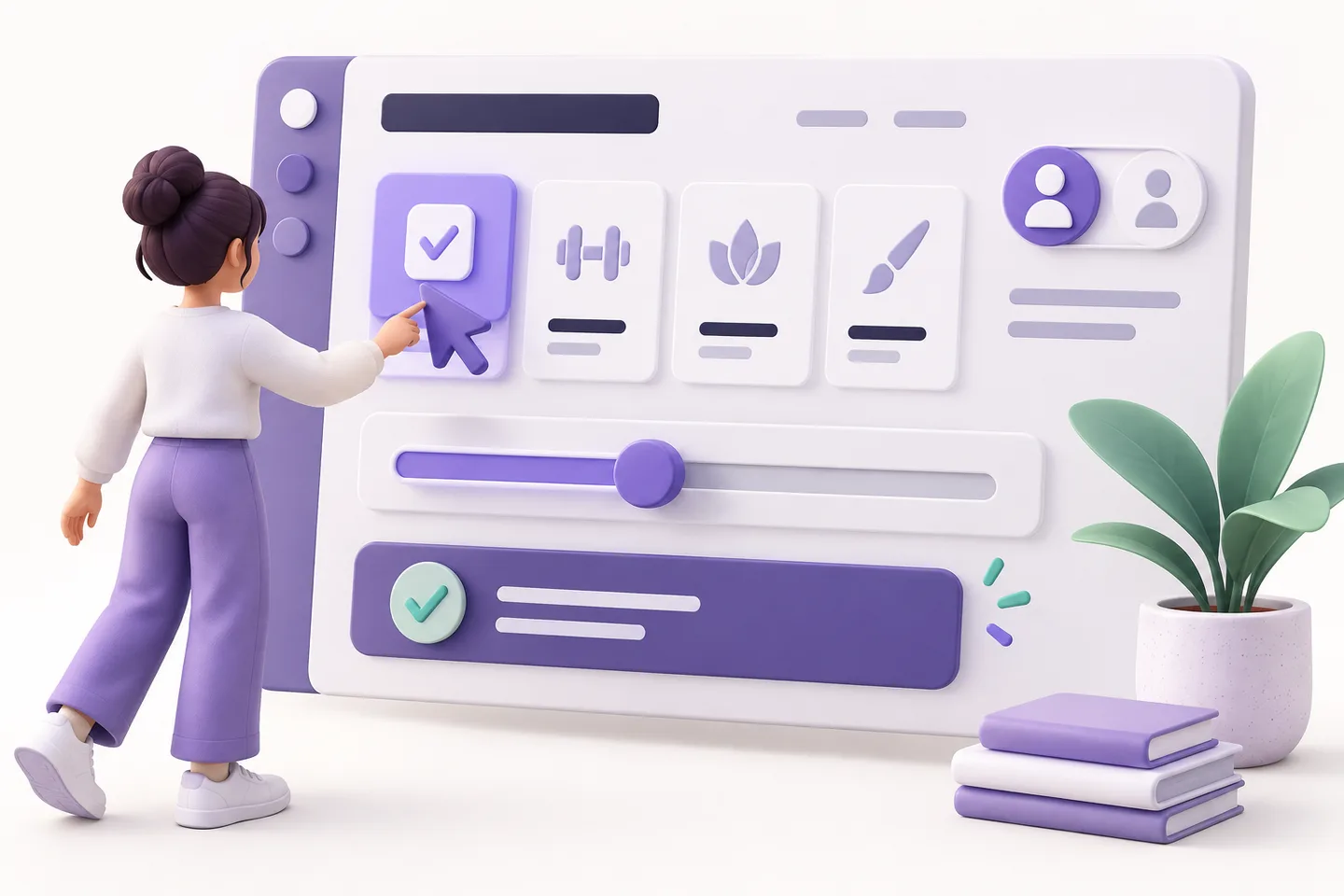
A web application is an interactive system. It may allow a customer to register for an activity, a trainer to record attendance or an administrator to prepare a report. The interface needs to reflect each person's task and the information they are permitted to access.
This service suits organisations that need specialised browser-based workflows for customers, staff or members. It can include a new application or an application connected to an existing website or business system.
Model relationships before adding screens
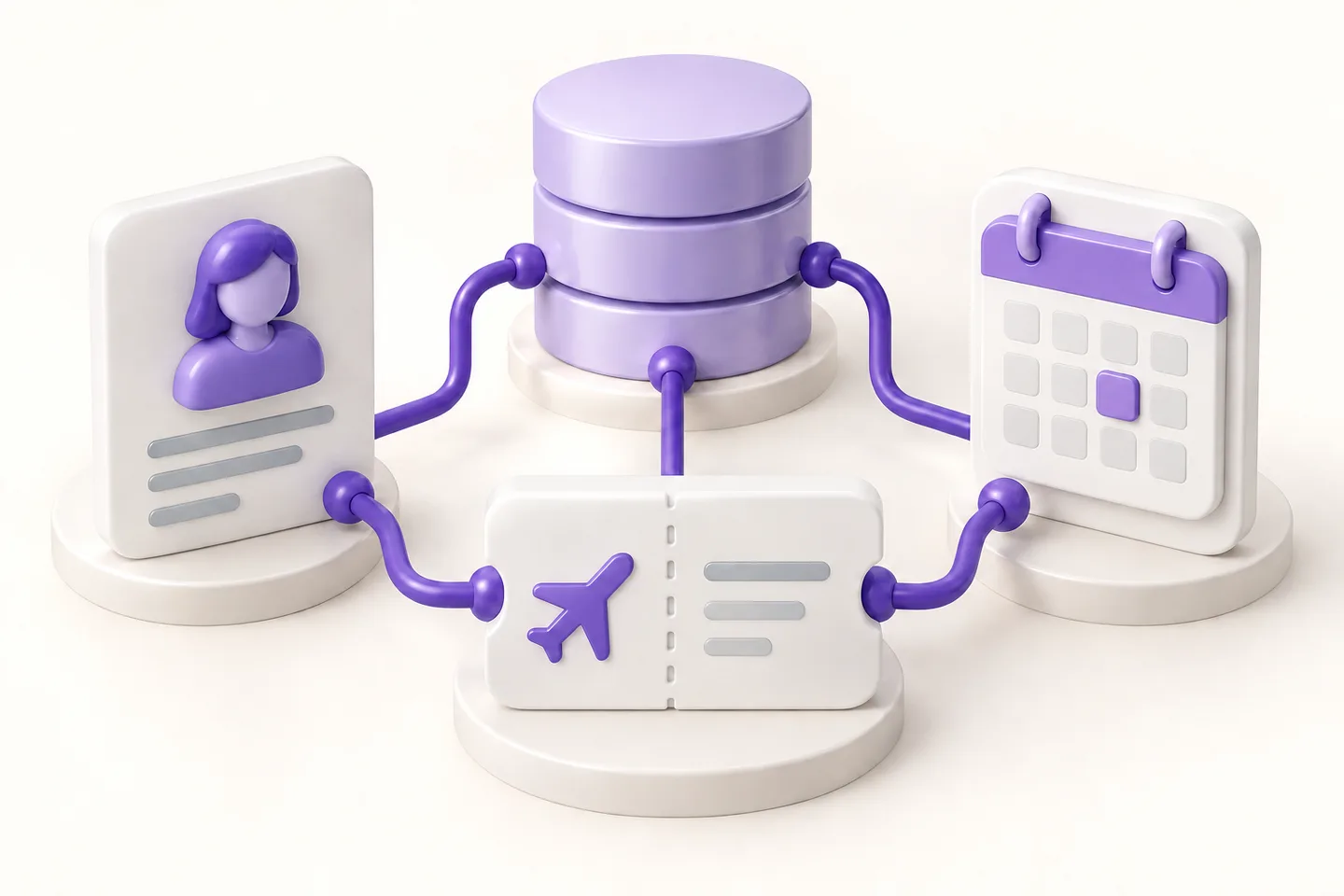
The value of an application often comes from how records connect. A booking belongs to an activity and a customer. A performance can relate to a participant, an event and a recording. Those relationships determine what the application can retrieve, validate and explain later.
We use the requirements to shape the data model and interface together. That helps avoid screens that look complete but leave staff to reconcile information elsewhere.
Build for the moments when something goes wrong
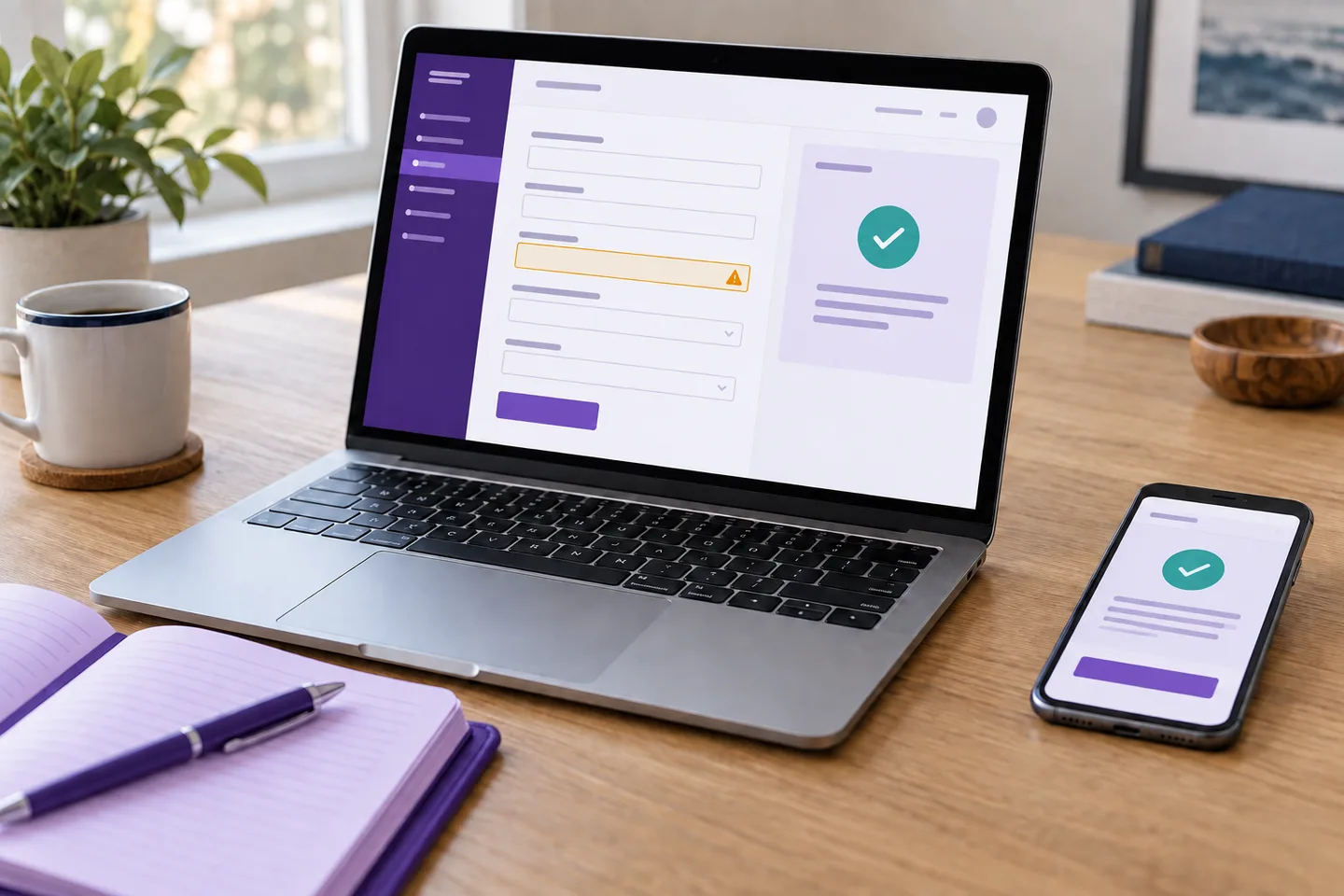
Validation, access control and error feedback are part of the application. A repeated submission should not silently create duplicate work. A failed integration needs a visible outcome. A user should know whether an action succeeded and what to do next.
Testing should cover the important business rules and boundaries as well as the ordinary journey. Delivery also needs a plan for hosting, updates, backups and support. The linked case studies show applications where the records and workflows extended well beyond public page content.
Problems we can help with
- Customers or staff need to complete tasks that a public website cannot support.
- Related information is split across disconnected interfaces.
- A specialised workflow does not fit the available off-the-shelf tools.
What we can build
- Customer and member portals.
- Authenticated staff applications with appropriate access boundaries.
- Database-backed workflows, dashboards and structured records.
- API integrations and interfaces for different user responsibilities.
How we work
- Define users, permissions, data relationships and the tasks each interface supports.
- Design the main journeys and important failure or exception cases.
- Implement and test a focused release with representative data.
- Prepare deployment, monitoring and maintenance responsibilities.
Let’s build an application around your users.
Start with the tasks your users need to complete and the records that connect them.
Discuss your application